In Utah County, most social life is organized around the local ward — the Latter-day Saint congregation tied to a specific neighborhood. Families in a ward tend to see each other at church at least once a week, and a lot of friendships, dinners, and even dating happen inside that circle. If you’re not part of it, building a social life can take noticeably more effort than it might somewhere else — whether you’re single and dating, a family looking for like-minded friends, or, as Andrew puts it, an “old codger” who just wants someone who gets your sense of humor on the golf course.
It’s not that people are unfriendly — it’s that the default social structure runs through the ward. Utah County is one of the most heavily Latter-day Saint areas in the country, which is why so much of the community calendar is church-centered. The takeaway: plan to be proactive about finding your people through hobbies, sports leagues, work, and community groups, and give it time.
Andrew is planning a separate video on exactly how to find your community here if you’re moving in from out of state.
2. Utah traffic is deceptive
Andrew grew up with California traffic, so he expected Utah to feel rural. It doesn’t — at least not always. The map will tell you a place is 8 miles away, but depending on the time of day and where you’re headed, that can be a 15-minute drive or a 50-minute one. Learning the local patterns — including the back routes that cut over a mountain ridge instead of dumping you onto the freeway — is something you pick up only after living here a while, and it directly affects whether you’re on time. At rush hour, stretches of I-15 can feel as busy as the 405 in Los Angeles.
The takeaway: don’t trust the mileage. Budget by time of day, and learn the surface-street shortcuts locals use.
3. Earthquakes, basements & foundations
Coming from California, Andrew grew up with earthquake drills. Utah’s quakes are less frequent, but the ground is different: much of the Wasatch Front sits on sandy soil, so when the earth shifts you may not feel a dramatic jolt — yet that movement can cause settling and foundation problems over time.
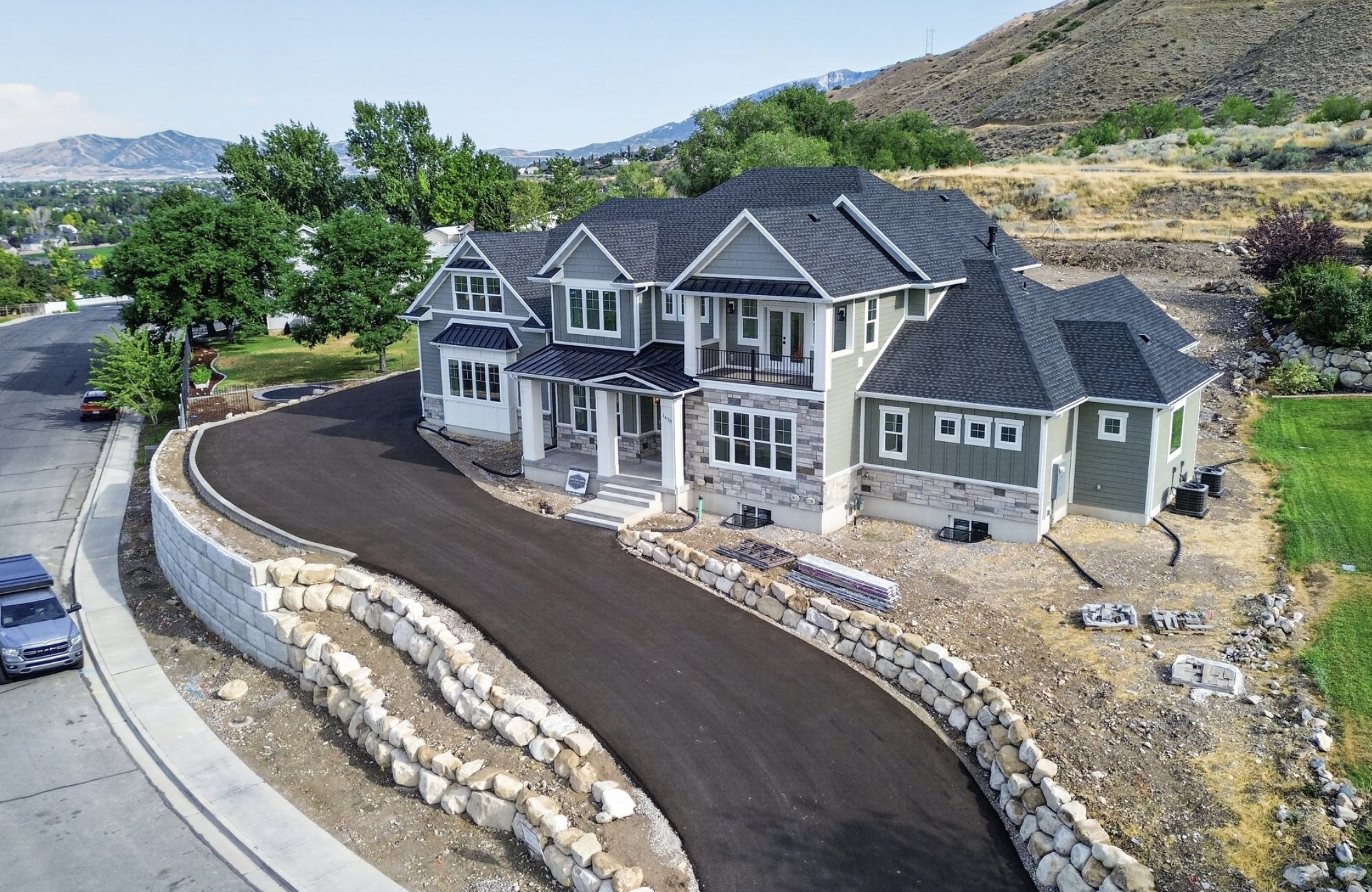
Two practical differences for buyers. First, unlike most of California, homes here usually have basements — and that’s exactly where you want to look closely at crack sizes when you tour a house, especially newer construction built along ridgelines. Andrew points to a well-publicized case of a hillside home that slid off the edge of its subdivision near the Point of the Mountain, where Lehi and Draper meet — allegedly built on unstable fill.
Second, insurance. The Wasatch Fault runs the length of the Wasatch Front and through Utah County, so this is a genuine seismic zone (Utah Geological Survey). Earthquake coverage is sold as a separate policy from your homeowners insurance, often roughly doubling the premium, with high deductibles — commonly 5–25% — applied separately to the structure, its contents, and living expenses; older brick homes can be especially costly or hard to cover (Anderson Insurance Group, 2026). Andrew notes fire insurance is getting harder to get too, though he knows agents who can help.
The takeaway: on every showing, check the basement and foundation for cracks — and price in earthquake insurance before you fall in love with a hillside lot.
4. Altitude and how dry it is
Utah County isn’t Colorado-high, but for most newcomers it’s higher — and much drier — than what they’re used to. Provo sits around 4,551 feet above sea level (city elevation data), and the low humidity dries out your nose, throat, and skin quickly. If your hair or skin needs a lot of moisture, plan for it. Andrew’s half-joking ritual for out-of-town buyers: before anything else, grab salty fries and one of Utah’s famous “dirty sodas” to help your body adjust to the elevation on day one.
The takeaway: hydrate, moisturize, and expect an adjustment period your first week or two.
5. Getting anywhere is easy from Salt Lake International
One pleasant surprise: Salt Lake City International Airport (SLC) is compact and easy to use, yet it connects almost anywhere. It’s not the sprawling maze of LAX or O’Hare, and ongoing renovations keep it feeling fresh — but it carries all the major airlines and a deep bench of nonstop destinations. As a Delta hub, SLC offers nonstop service to roughly 90 cities, including international routes to Amsterdam, Paris, London, and Seoul (Salt Lake City International Airport). Whether it’s Disneyland in L.A., Disney World in Orlando, or a trip overseas, you can usually get there without a huge price premium — just don’t mix up Australia and Austria at the gate.
The takeaway: for a mid-size metro, SLC punches well above its weight for travel.
California habits vs. Utah County reality
| What you’re used to (California) | What to expect in Utah County |
|---|
| Social life built around your neighborhood or work | Much of it runs through the local LDS ward — be proactive about making friends |
| Distance roughly equals drive time | The same 8 miles can take 15 or 50 minutes depending on timing and route |
| Slab foundations; basements rare | Basements are standard — check for cracks and settling |
| Familiar quake rules; standard coverage | Wasatch Fault zone; earthquake insurance is separate and pricey |
| Humid or coastal air near sea level | High-desert dryness around 4,500 ft — expect to acclimate |
| LAX/SFO scale and prices | Compact SLC with wide nonstop reach, often without a price premium |
The 5 things at a glance
- Friendships take effort outside the ward — join things early.
- Traffic is deceptive — go by time of day, not miles.
- Earthquakes are subtle but real — check foundations, budget for insurance.
- It’s high and dry — give yourself a week or two to acclimate.
- Travel is easy — SLC connects almost anywhere.
Want the deeper relocation picture? Start with the Moving to Utah County guide, and if you’re weighing the budget side, read California to Utah cost of living.
Watch: 5 things to know before moving to Utah County

▶
Click to watch on YouTube. Prefer to read? The key moments and cleaned-up highlights are below.
Key moments
- 0:00 — Why these five things matter
- 0:26 — #1 Finding community outside the church
- 1:30 — #2 Utah traffic is deceptive
- 2:24 — #3 Earthquakes, basements & foundations
- 3:44 — #4 Altitude and dryness
- 4:36 — #5 Easy travel from Salt Lake International
- 5:30 — Andrew’s take: still an amazing place to live
Highlights from Andrew (in his words)
“The majority of people here in Utah County stay within their ward — the area where everyone from that neighborhood goes to church. If you’re not in it, it’s just harder to find friends and maybe even a future partner. You have to put in more effort than you would elsewhere.”
“On the map it’ll say something is 8 miles away, but depending on where you’re at, that could be a 15-minute drive or a 50-minute drive. During certain times it can be just as busy as the 405 in L.A.”
“Because of the sand underneath these mountains, when an earthquake hits you don’t feel it as much, but it shifts and causes foundational issues. Here you have basements — keep an eye on crack sizes, especially in newer homes built on ridgelines.”
“Is it Colorado? No. But it’s higher and drier than you’re used to. When people fly in to look at homes, the first thing we do is get the best fries we can find — you need the salt to acclimate to the elevation.”
“You can get anywhere in the world from Salt Lake International. It’s quaint for an international airport, but it has all the major carriers — and it’s not considerably more expensive.”
Highlights lightly edited from the video transcript for readability.

About the author
Andrew Diaz is a licensed Realtor and appraiser with Hinge Real Estate Brokerage, with 25 years in Utah County real estate. A California transplant himself, he’s bilingual (English/Spanish) and helps buyers relocate to and around Utah County. Utah license #6171357-SA00. More about Andrew · 5.0★ on Zillow (38 reviews)
This article is general information for people considering a move to Utah County, not legal, tax, financial, or insurance advice. Verify current figures, programs, and coverage for your situation before making decisions.
Thinking about the move to Utah County?
Get the free Moving to Utah County guide — real costs, neighborhoods, and timing — or reach Andrew directly for honest, no-pressure answers.
Get the free guideTalk to AndrewKeep reading
Frequently asked questions
Do you have to be Mormon to live in Utah County?
No. Utah County has a large Latter-day Saint majority, and much of the social calendar runs through local church wards, so newcomers who aren’t members often find it takes more intentional effort to build a social circle — through hobbies, sports, work, and community groups. Plenty of people who aren’t members live here happily; it just helps to be proactive socially.
Does Utah County get earthquakes?
Yes. The Wasatch Fault runs through the region, making it an active seismic zone. Quakes are less frequent than in California and often felt less because of the sandy soil, but that same soil can cause settling — so check basements and foundations when buying, and budget for earthquake insurance, which is a separate and often pricey policy here.
How high is the elevation in Utah County?
Provo sits around 4,551 feet above sea level. It’s not as high as the Colorado Rockies, but it’s high and dry enough that most newcomers notice the low humidity — dry skin, nose, and throat — and need a week or two to acclimate.
Is it easy to fly out of Salt Lake City?
Very. Salt Lake City International (SLC) is a compact, recently renovated Delta hub with nonstop service to dozens of U.S. cities and international destinations across Europe, Mexico, Canada, and Asia — so getting almost anywhere is straightforward, often without a big price premium.
Is Utah County a good place to move to?
Andrew’s honest take after moving from California: yes — it’s an amazing place to live. It’s still worth visiting first to see how you fit, and going in aware of the quirks (social life, traffic, earthquakes, altitude) so nothing catches you off guard.