Moving to Utah from California? The Winter Reality No One Tells You About
By Andrew Diaz · Hinge Real Estate Brokerage · Licensed Realtor & Appraiser (Lic #6171357-SA00) · Published October 6, 2026 · Updated October 2026 · 6 min read
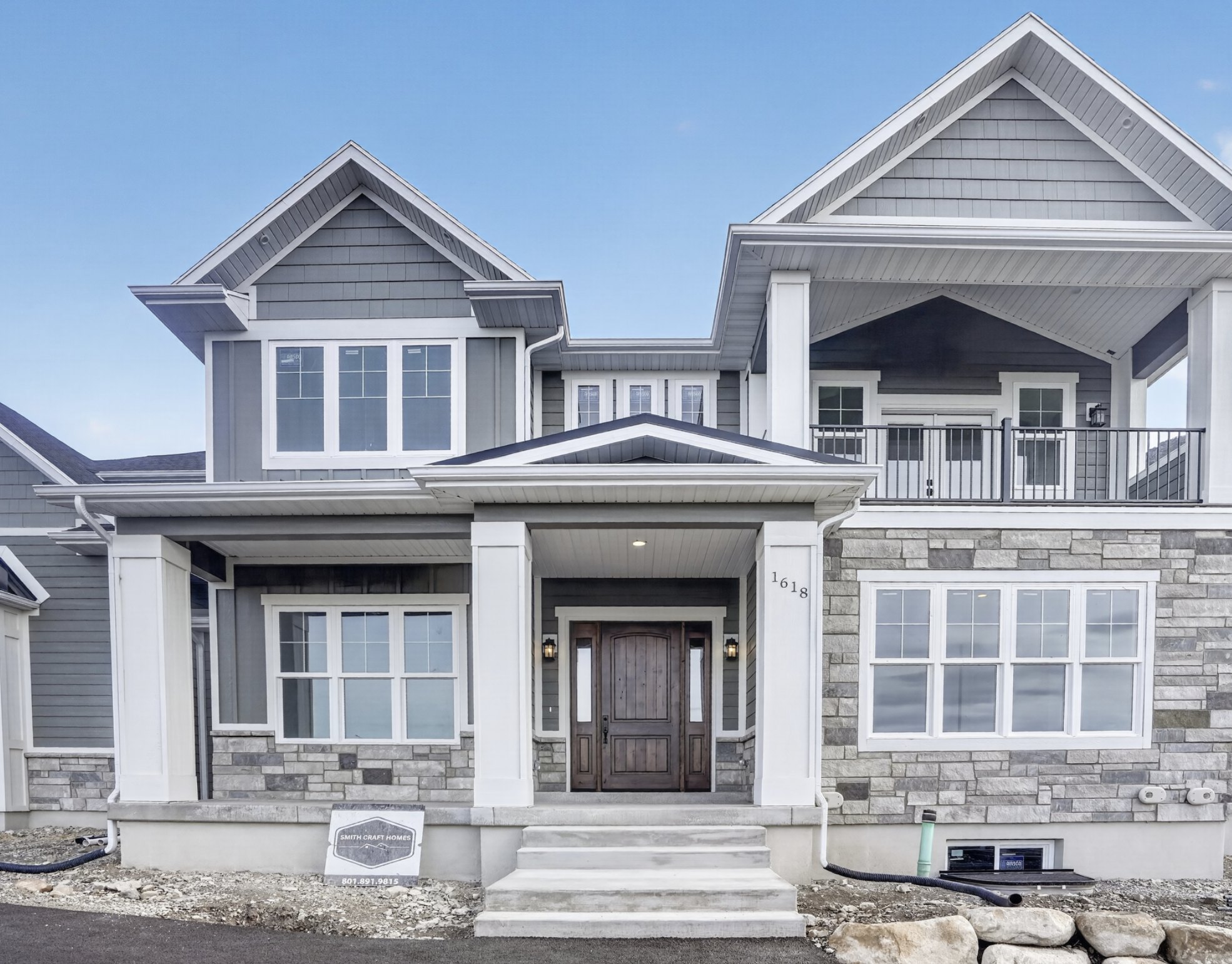
For most people moving to Utah from California, the hardest part of winter isn't the cold or the snow — it's how fast the daylight disappears and how quickly social life moves indoors. The sun can be down by about 5 p.m. in December, neighbors you saw all summer essentially hibernate, and the valley haze (the “inversion”) settles in between storms. The fix is going in with a winter plan: outdoor activities (even a quiet snow walk up a canyon, above the inversion), a steady routine, and intentional time with friends. Get those three right and the Utah winter becomes one of the best parts of living here.
On this page
Why winter can make or break your move · The real culprit: lost daylight · Summer vs. winter in Utah · How locals actually beat it · Why your neighborhood matters · Watch the video · FAQ
Why winter can make or break your move to the Silicon Slopes
People move to the Silicon Slopes — Utah's tech corridor along the Wasatch Front, centered in Utah County and Lehi — for the outdoor lifestyle. What nobody warns you about is that winter can quietly change all of it. As Andrew puts it, it can be the “make it or break it” conversation when you're deciding whether to move here.
He's honest about his own first winters: “I was pretty depressed. I didn't know what it was. I was just sitting around.” Coming from California — sunny most of the year, people outside, neighbors you actually see — the Utah winter hit him hard. He'd moved here about two decades ago without skis or a snowboard, and when the season turned, he was bummed out and didn't have a plan.
He calls it “hermit season.” Once winter arrives, people insulate themselves into their homes — even families. All of a sudden you're not hanging out nearly as much as you did all summer. If you're not into skiing, that shift can feel isolating fast.
The real culprit isn't the cold — it's the lost daylight
Everyone talks about cold weather and seasonal depression. The thing Andrew says people don't talk about is the lack of light, and it starts even before the clocks change. The day goes dark fast.
In summer you can be out and about until 8 at night with nice light still in the sky — he jokes he's followed a golf ball until 8:30. Come winter, it feels dark by around 5:00–5:30 p.m. That tracks with the astronomy: in Provo and Salt Lake, the earliest December sunsets land right around 5:00 p.m., versus roughly 9:00 p.m. at the end of June (timeanddate.com, Provo).
The quiet effect: if your commute home is more than 30–40 minutes, you're driving into town in the dark. You stop getting the same amount of light you used to, and you start shutting your day down earlier. Andrew thinks that's what really changes how people experience their lifestyle through the winter months — more than the temperature itself.
Summer vs. winter life in Utah, side by side
Here's the shift Andrew describes between the warm months and the cold ones — it's less about weather and more about how you live:
| Summer in Utah | Winter in Utah |
|---|---|
| Light in the sky until ~8–8:30 p.m. | Dark by ~5–5:30 p.m.; dark commutes home |
| Neighbors out, barbecues, you see people | “Hermit season” — everyone indoors, even family |
| Golf, mountain biking, outdoor friend groups | Gym, pool, canyon snow walks, indoor pickleball |
| Clear air, long days | Valley inversion haze between storms |
| Social life happens on its own | You have to schedule connection on purpose |
How locals actually beat the winter here
Andrew's biggest regret is that when he moved, he never thought about what he'd do in winter — it didn't cross his mind. Having a few things to get you out of the house, he says, is “very important.” What works for him:
- Get up to the mountains — skier or not. Now that he's a little more risk-averse with age, he'll grab the dog or go with his wife and do a “snow walk” up a canyon. It's quiet, beautiful, and it gets you above the winter inversion.
- Use the storms. When storms blow through, they clear the air out — after an overnight rain, the air is clean. It's the stretches between storms when the inversion settles over both Salt Lake and Utah County. Grab lunch at a resort or walk a canyon to get out of it.
- Lean into a routine. Winter is great for people who like structure. Andrew gets in his best shape in winter — he's not golfing, so he's in the gym and the pool more, up for a morning hike, and his work week is tighter. House projects he's been putting off finally get done.
- Protect your relationships on purpose. In summer the barbecues and mountain-bike rides and golf rounds keep friendships going by themselves. In winter they don't. Andrew makes a point — especially after the holidays — of reaching out and getting together. Even a standing coffee with his mountain-biking buddies counts as a touchstone.
The quiet truth here: the people who struggle with Utah winters are usually the ones who never made a plan. The ones who thrive build a short list of cold-weather habits before the first storm.
Your neighborhood decides how you “do winter”
One of the most overlooked parts of a move, Andrew says, is what community you land in — because different communities do winter completely differently. When he first moved here, his neighborhood was mostly hunting- and horse-oriented, and those neighbors experience winter nothing like a golfer, mountain biker, or skier does.
When the family moved to Alpine, people were still very active — just active in a different way. There were indoor pickleball opportunities, afternoon indoor get-togethers, and groups that would hike up to Horsetail Falls, just up from Lambert Park. Get into the right golf group and the guys organize winter golf trips down to St. George, where it's warm enough to play.
That's why Andrew says knowing your community's “vibe” is super important before you buy. A neighborhood that fits how you want to spend January is worth more to your quality of life than almost any feature inside the house. If you want help matching a Utah County community to how you actually live — especially in winter — that's exactly the kind of thing to talk through before you pick a street.
Watch: the winter reality, from a 25-year local

If the thumbnail doesn't load, watch it directly on YouTube.
Key moments
- 0:00 — Why winter can make or break your move
- 0:34 — “Hermit season” and the social shift from summer
- 1:15 — The real issue: lack of daylight
- 2:35 — Dark commutes and shutting the day down early
- 3:08 — Snow walks up the canyon, above the inversion
- 4:20 — Why winter is great for routine people
- 5:33 — Keeping relationships warm with coffee touchstones
- 6:41 — Alpine vs. a horse community: how neighborhoods do winter
From the video (highlights)
“When you move to the Silicon Slopes, winter can have a real effect on your lifestyle. It could be the make-it-or-break-it conversation you're having when you're thinking about moving here. The first few winters, I was pretty depressed. I didn't know what it was — I was just sitting around.”
“People talk about the cold weather for seasonal depression, but one thing they don't talk about is the lack of light… In summer you could be out till 8 at night and still have nice light. Come wintertime, around 5–5:30 it starts to get pretty dark, and that has a real effect on people.”
“One thing I like to do is grab my dog or go up with my wife and do kind of a snow walk. It's beautiful and quiet, and you get out of the winter inversion we get here — not only in Salt Lake County, but in Utah County.”
“Knowing what neighborhood you're in and how your community vibes is super important. When we moved to Alpine, people were active in a different way — indoor pickleball, hikes up to Horsetail Falls from Lambert Park, golf groups doing trips down to St. George.”

About Andrew Diaz
Andrew is a licensed Realtor & appraiser with Hinge Real Estate Brokerage (Utah Lic #6171357-SA00), with 25 years of experience. He's bilingual (English/Spanish), moved to Utah from California himself, and lives and sells throughout Utah County. More about Andrew →
This article is general information based on Andrew's local experience, not legal, tax, financial, or medical advice. For guidance on your specific situation, talk with a qualified professional.
Thinking about moving to Utah from California?
Get the honest, local picture — including which Utah County communities fit how you actually want to live, winter included. Start with the free relocation guide, or reach out and Andrew will walk you through it.
Keep reading
- California to Utah cost of living: is it really cheaper?
- Living in Utah: 9 things nobody tells California transplants
- The downsides of living in Utah County (an honest take)
- The complete guide to moving to Utah County
Frequently asked questions
How cold does it get in Utah County in winter?
Valley winters are cold but manageable. In Provo, average highs run about 34–46°F and lows about 20–29°F, with January the coldest stretch (Weather Spark). The nearby mountains get dramatically more snow — which is exactly why the skiing is so good.
Does it really get dark that early in a Utah winter?
Yes. The earliest December sunsets in Provo and Salt Lake fall right around 5:00 p.m., versus nearly 9:00 p.m. at the end of June (timeanddate.com). Andrew says that loss of daylight — not the cold — is the biggest adjustment for people moving from California.
What is the Utah “winter inversion”?
It's when cold, dense air gets trapped in the valleys under warmer air, holding pollution close to the ground and creating a gray haze. It affects both Salt Lake and Utah County, and during a bad stretch the Wasatch Front can rank among the worst air in the U.S. — it did in mid-January 2026 (Utah News Dispatch). Storms clear it out, and getting up into the canyons puts you above it.
Is it normal to feel down during your first Utah winter?
Shorter daylight is widely linked to lower mood in winter, and Andrew is candid that his first few winters hit him hard before he figured out a plan. His advice: build outdoor activities, a routine, and regular time with friends into your week — and if the winter blues feel serious, talk with a qualified professional. (General information, not medical advice.)
What should I look for in a neighborhood if I'm worried about winter?
Match the community to how you want to spend the cold months. Andrew points to places like Alpine, where neighbors stay active indoors and out — pickleball, group hikes, golf trips south to St. George. Knowing a community's winter “vibe” before you buy matters more to your quality of life than most features inside the house.